
Thinking social commerce in headless: How to perform social shopping, tech and brand
By 2026, social commerce is projected to account for a growing share of all global e-commerce, with worldwide sales set to surpass $990 billion, according to Statista.
Referring to Grand View Research, Inc., Europe’s social commerce market is projected to grow at a CAGR of over 30%.
This rapid expansion illustrates that social shopping is no longer a side channel but a central part of the e-commerce strategy for modern brands.
Yet many still struggle to bring TikTok Shopping, Instagram Shop and YouTube Live commerce into a smooth and unbroken customer experience.
Seen from this angle, social shopping is no longer a side channel but a central part of the e-commerce strategy for modern brands. Yet many brands still struggle to bring TikTok Shopping, Instagram Shop and YouTube Live commerce into a smooth and unbroken customer experience.
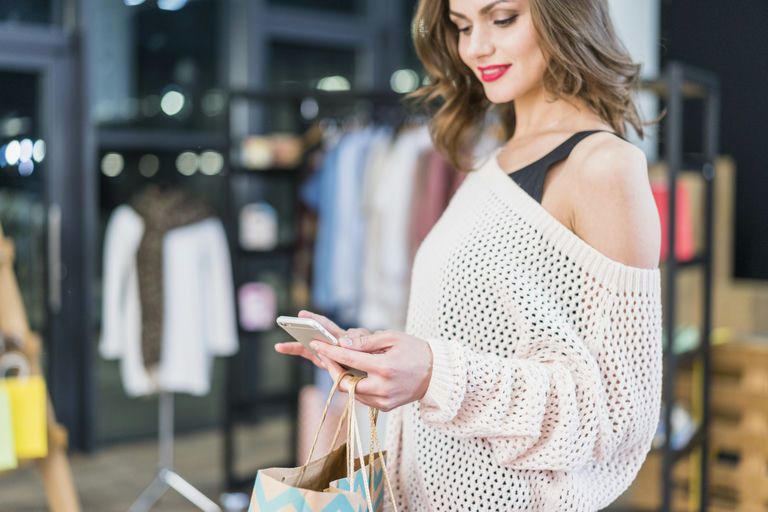
The challenge is not just to be present on these platforms but to keep the brand identity while moving with social trends.
This is where headless commerce solutions for brand consistency are on point. It keeps the brand experience independent of systems and maintains a consistent brand story. At the same time content and products can adapt quickly for variousformats and audiences.
In other words, with one central hub every product detail and visual can update everywhere at once.
A TikTok clip or a YouTube Live stream or an Instagram shop tile all show the same brand which customers know and put their trust in.
Social shopping is not just another sales channel. A social commerce strategy involving technology fosters brand consistency and works as part of a wide omnichannel brand experience. In other words, social shopping is a brand’s stage to reach out to customers right in their daily lives.
Whether it is a livestream demo on YouTube, a campaign on TikTok or a new product presentation on Instagram, shopping these moments helps a brand engage in a personal tone.
It strengthens customer relationships when a client sees a product in action, feels the authenticity of the story and experiences what they already are familiar with and appreciate on other channels.
In fact, recognition and consistency turn one time buyers into repeat customers. However, the challenge lies in exactly this: keeping the experience smooth and recognizable.
Why could this be a challenge? Every social platform has its own formats its own rules and its own culture. So, what works in a short TikTok video might not work in a YouTube Live stream or an Instagram product card.
The tone is different or the visuals change while the audience expects something different.
Additionally, the pressure to act fast often makes the problem worse. Teams push to meet platform trends and end up with content that may perform in the moment but does not manage to hold up long-term appeal.
Moreover, messaging tends to become inconsistent and product descriptions read like they are from different companies. Over time this weakens the value perception and recognition the brand has carefully created in an e-commerce strategy.
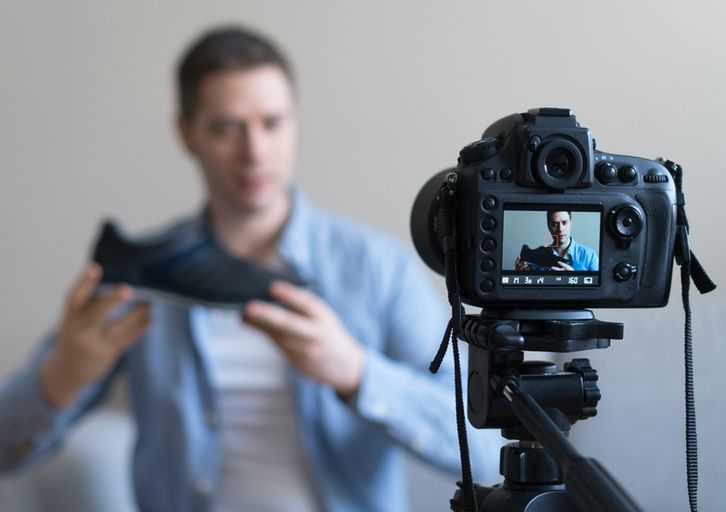
– Such a solution keeps one central source for brand visuals, product data and messaging while giving ways to adapt for each platform.
– This technology pairing also helps you manage updates just once and create message flows to every channel so customers always see the same brand they know, trust and love. On YouTube, via a TikTok clip or in an Instagram shop.
Assuming a sports brand launches a new model of running shoes. On TikTok, the shoes appear in short, dynamic clips as a “swipe tile” directly shoppable. At the same time, a YouTube Live event showcases athletes putting the shoes to the test during training.
With a headless setup, all product data such as price, visuals, sizes, descriptions, is managed centrally. Modern JavaScript frameworks make sure this data gets delivered in the right format for each channel: on TikTok as an interactive product card, on YouTube Live as an overlay during the stream.
Customers experience one and the same brand with consistent information and design, while the content feels very natural on each platform. The result is a smooth brand journey without breaking identity and adapted to where the audience spends its attention.
Social commerce works best when there is a well defined strategy and flow. Selling more is part of it, but a great win is creating a brand experience that works on each platform and still feels like one story.
Exactly this is where technology becomes the edge in headless commerce strategies for social platforms.
For some brands the goal is to launch new products faster. For others it is to show interesting use cases or build communities around their values.
– Clever use of technology can leverage and measure these actions:
– Real-time data to display live stock levels during a YouTube stream.
– Smart integrations to let customers buy directly from a TikTok video without leaving the platform.
– Automated content variations to ensure that a product drop on Instagram feels personalized for that audience while keeping the same brand story.
With a professional and state of the art setup brands can measure how each interaction influences both, sales and long term recognition. This is how social shopping is not just a quick sales boost but becomes a trustworthy channel to keep customers engaged right at the heart of where the brand’s audiences put a lot of their time and attention.
After all, social commerce is here to stay and it will keep evolving. Brands that combine adaptable technology with creative approach will keep their audiences’ attention, trust and loyalty, no matter what new platform might next gain relevance on the market.
Referring to Grand View Research, Inc., Europe’s social commerce market is projected to grow at a CAGR of over 30%.
This rapid expansion illustrates that social shopping is no longer a side channel but a central part of the e-commerce strategy for modern brands.
Yet many still struggle to bring TikTok Shopping, Instagram Shop and YouTube Live commerce into a smooth and unbroken customer experience.
The missing link: how headless keeps social commerce consistent
Seen from this angle, social shopping is no longer a side channel but a central part of the e-commerce strategy for modern brands. Yet many brands still struggle to bring TikTok Shopping, Instagram Shop and YouTube Live commerce into a smooth and unbroken customer experience.
The challenge is not just to be present on these platforms but to keep the brand identity while moving with social trends.
This is where headless commerce solutions for brand consistency are on point. It keeps the brand experience independent of systems and maintains a consistent brand story. At the same time content and products can adapt quickly for variousformats and audiences.
In other words, with one central hub every product detail and visual can update everywhere at once.
A TikTok clip or a YouTube Live stream or an Instagram shop tile all show the same brand which customers know and put their trust in.
Why social commerce is a brand opportunity first
Social shopping is not just another sales channel. A social commerce strategy involving technology fosters brand consistency and works as part of a wide omnichannel brand experience. In other words, social shopping is a brand’s stage to reach out to customers right in their daily lives.
Whether it is a livestream demo on YouTube, a campaign on TikTok or a new product presentation on Instagram, shopping these moments helps a brand engage in a personal tone.
Building Trust and Recognition
It strengthens customer relationships when a client sees a product in action, feels the authenticity of the story and experiences what they already are familiar with and appreciate on other channels.
In fact, recognition and consistency turn one time buyers into repeat customers. However, the challenge lies in exactly this: keeping the experience smooth and recognizable.
Why could this be a challenge? Every social platform has its own formats its own rules and its own culture. So, what works in a short TikTok video might not work in a YouTube Live stream or an Instagram product card.
The tone is different or the visuals change while the audience expects something different.
Additionally, the pressure to act fast often makes the problem worse. Teams push to meet platform trends and end up with content that may perform in the moment but does not manage to hold up long-term appeal.
Moreover, messaging tends to become inconsistent and product descriptions read like they are from different companies. Over time this weakens the value perception and recognition the brand has carefully created in an e-commerce strategy.
Could a headless commerce solution for omnichannel consistency, made with frameworks such Nuxt and Vue, help social commerce?
– Such a solution keeps one central source for brand visuals, product data and messaging while giving ways to adapt for each platform.
– This technology pairing also helps you manage updates just once and create message flows to every channel so customers always see the same brand they know, trust and love. On YouTube, via a TikTok clip or in an Instagram shop.
Possible use case: platform specific product storytelling with running shoes
Assuming a sports brand launches a new model of running shoes. On TikTok, the shoes appear in short, dynamic clips as a “swipe tile” directly shoppable. At the same time, a YouTube Live event showcases athletes putting the shoes to the test during training.
With a headless setup, all product data such as price, visuals, sizes, descriptions, is managed centrally. Modern JavaScript frameworks make sure this data gets delivered in the right format for each channel: on TikTok as an interactive product card, on YouTube Live as an overlay during the stream.
Customers experience one and the same brand with consistent information and design, while the content feels very natural on each platform. The result is a smooth brand journey without breaking identity and adapted to where the audience spends its attention.
Performing social shopping with purpose
Social commerce works best when there is a well defined strategy and flow. Selling more is part of it, but a great win is creating a brand experience that works on each platform and still feels like one story.
Exactly this is where technology becomes the edge in headless commerce strategies for social platforms.
Moving from purpose to action
For some brands the goal is to launch new products faster. For others it is to show interesting use cases or build communities around their values.
– Clever use of technology can leverage and measure these actions:
– Real-time data to display live stock levels during a YouTube stream.
– Smart integrations to let customers buy directly from a TikTok video without leaving the platform.
– Automated content variations to ensure that a product drop on Instagram feels personalized for that audience while keeping the same brand story.
With a professional and state of the art setup brands can measure how each interaction influences both, sales and long term recognition. This is how social shopping is not just a quick sales boost but becomes a trustworthy channel to keep customers engaged right at the heart of where the brand’s audiences put a lot of their time and attention.
After all, social commerce is here to stay and it will keep evolving. Brands that combine adaptable technology with creative approach will keep their audiences’ attention, trust and loyalty, no matter what new platform might next gain relevance on the market.
POSTED ON 2025-09-10IN E-Commerce, Digital Strategy